
Installation Services
Trusted Local HVAC Installation
Contractors in Hanover, VA
At our HVAC company, we believe you and your family deserve to be comfortable throughout the year. Our team of expert technicians specializes in delivering top-notch HVAC installation services tailored to your specific needs. Whether you’re building a new home or upgrading your current system, we guarantee efficient, high-quality service that ensures optimal comfort and energy efficiency with minimal disruption to your everyday life. There are four main types to choose from.
When you partner with us, we will present you with different options to meet your needs and budget, helping you make an informed decision about what type of heating and cooling system works best for you. The four main types of systems we commonly install and service are:
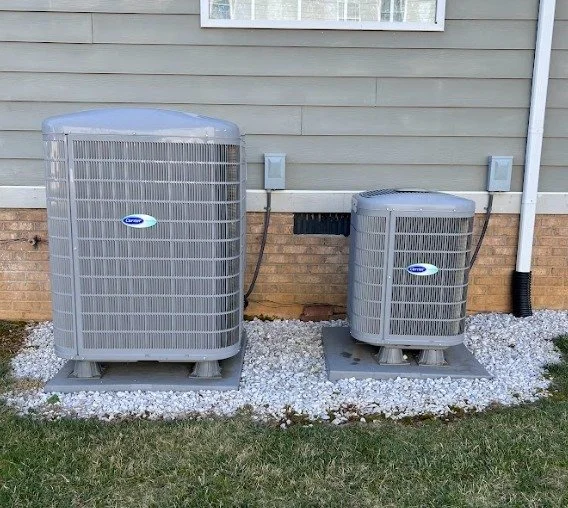
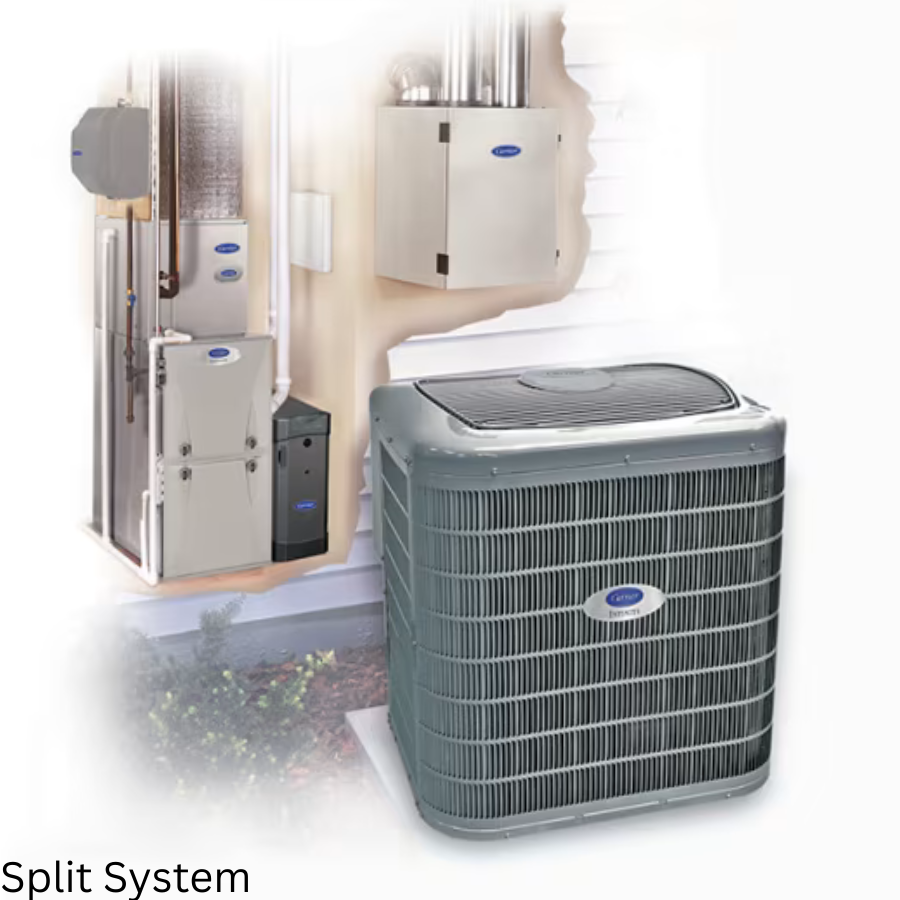
(1) Split Systems
How it Works: The classic whole-home system consists of an outdoor unit (compressor/condenser) paired with an indoor air handler (furnace/evaporator coil), linked by refrigerant lines. The outdoor unit uses refrigerant to transfer heat from inside the home to the outside, which then cools the air that is pushed through your home's ductwork for consistent comfort. The indoor unit is used to heat your home and is powered by electricity or a gas furnace.
Best For: Homes with existing ductwork that need reliable, even heating & cooling, offering integrated, whole-home climate control.
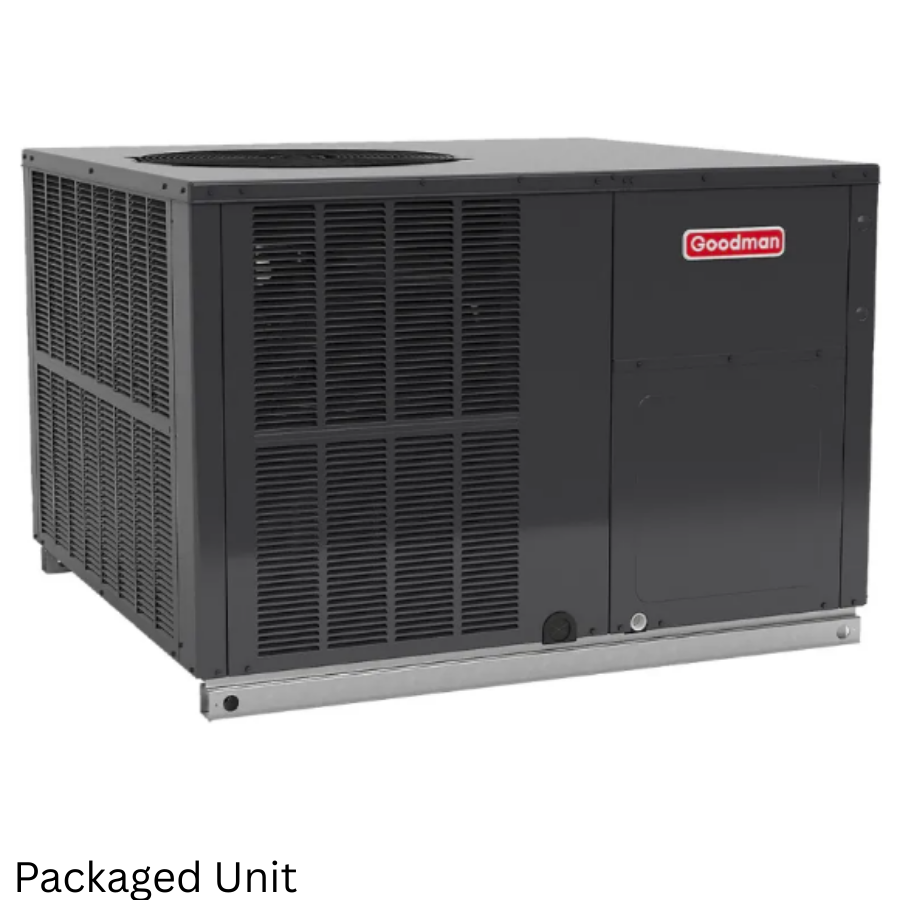
(2) Packaged Units
How it Works: All components (heating, cooling, air handler) are in one self-contained outdoor cabinet, often on a roof or ground slab.
Best For: Homes with limited indoor space, providing a space-saving, all-in-one solution.
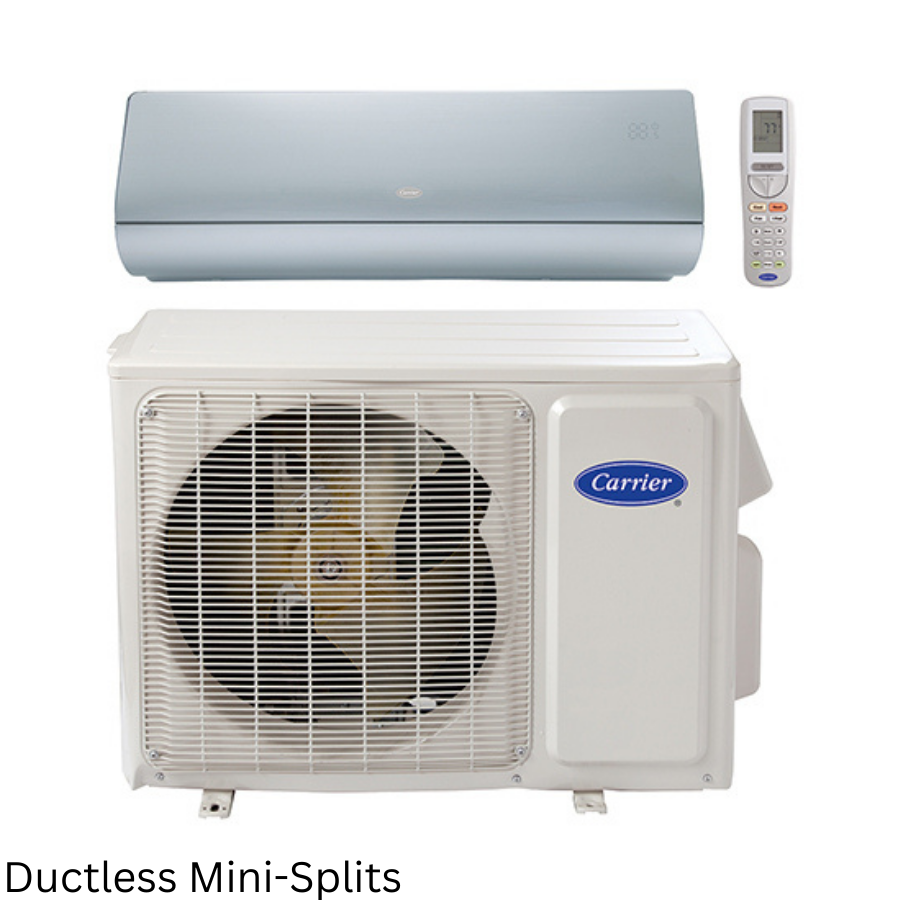
(3) Ductless Mini-Splits
How they Work: A single outdoor unit connects to individual indoor wall or ceiling units (heads) via small conduits, delivering targeted heating and cooling to specific rooms or areas without ductwork.
Best For: Homes without existing ductwork, new additions, converted attics, or zoning rooms for personalized temperatures, saving energy.
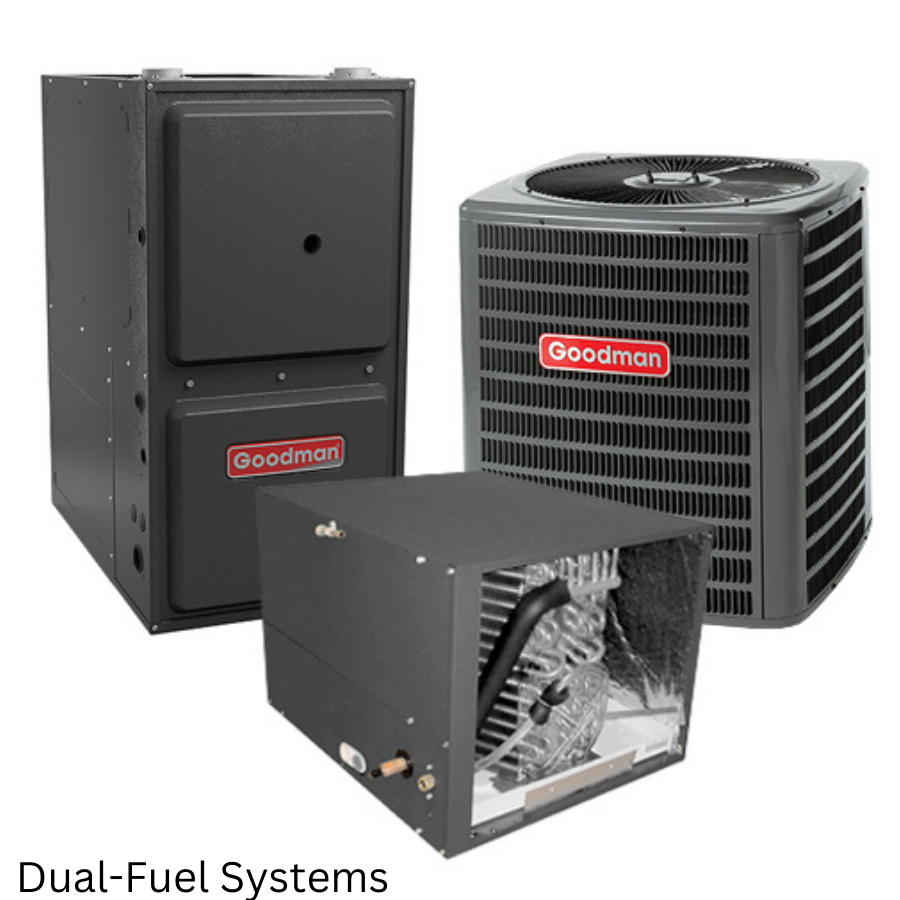
(4) Dual-Fuel (Hybrid) Systems
How it Works: Combines a heat pump with a gas furnace to use the most efficient fuel source (electricity or gas) based on outdoor temperature. The system automatically switches from its electric heat pump to the gas furnace when outdoor temperatures drop to a preset switchover temperature, typically between 30°F and 40°F.
Best For: Homes in areas with varied temperatures, maximizing energy savings by using both electric and gas heating efficiently.
Ready to find the perfect system for your home?
Contact us today to schedule a consultation and learn more about our installation services.
Signs of HVAC Equipment Failure
Frequent activation of auxiliary or emergency heat: Your system may be struggling to maintain the set temperature efficiently.
Ice or frost buildup on the heat pump: This can indicate a serious issue with refrigerant levels or the defrost mechanism.
Unusual noises: Grinding, banging, squealing, or persistent rattling sounds often point to mechanical problems.
Smoke or steam emanating from the unit: This is a significant safety concern and warrants immediate attention.
Spikes in your electric bill: A sudden increase in energy costs suggests the system is working harder to perform its job.
Blowing cold air instead of heat: This indicates a problem with the heating mechanism or a lack of fuel/power.
Unit runs constantly or cycles frequently (short-cycling): Neither of these operating patterns is efficient and suggests the system is incorrectly sized or malfunctioning.
Presence of water, sweating (condensation), or humidity: Pooling water or excessive indoor humidity can signal a drainage problem or a refrigerant leak.
Limited or weak airflow: Blocked ducts or a failing fan can prevent proper distribution of conditioned air.
Lights dimming when the unit starts: This may indicate a significant electrical draw, which can be a sign of a failing motor or other electrical issue.
Age of the equipment: HVAC systems generally have a lifespan of 10-15 years. Older units are more prone to failure and inefficiency.
If you are experiencing any of these issues, please contact an HVAC service provider for assistance.